
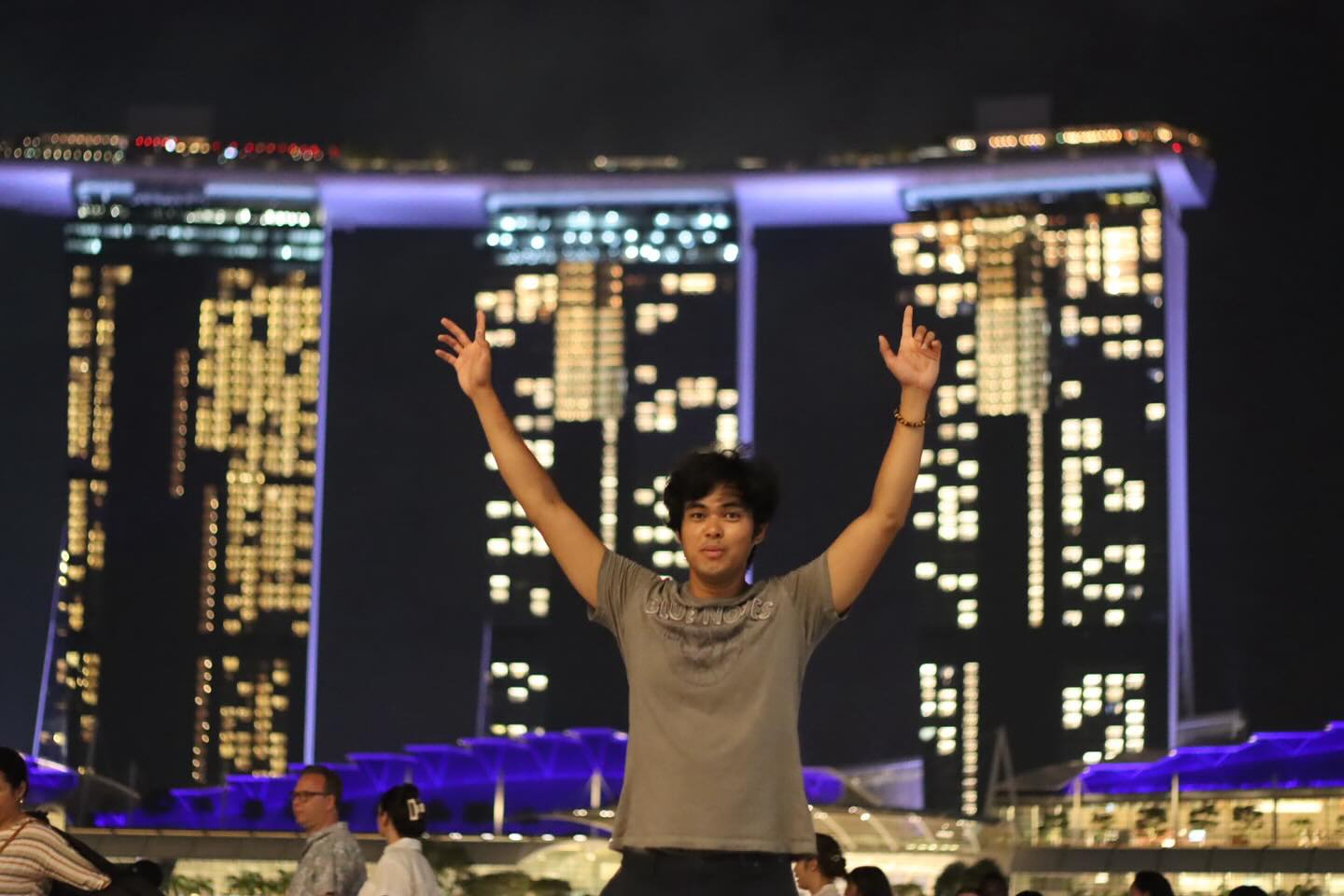
Night portrait photography turns ordinary places into something cinematic. Neon signs, festoon lights, skylines and reflections all become part of the picture. It does take a different approach to daytime shooting, so here is how I plan and shoot portraits after dark, and how you can get the most out of an evening session.
Key takeaways
- Start at blue hour, just after sunset, for a rich sky with enough light on faces.
- Use existing light sources such as shop windows, festoon lights and street lamps to light the face.
- Keep poses still and grounded, as low light leaves less room for fast movement.
- Choose locations with layered lights in the background for beautiful bokeh.
Why night portraits look so striking
At night the background is mostly darkness punctuated by points of light. With a wide aperture those lights melt into soft circles of colour, known as bokeh, and the subject stands out clearly. The result feels moody and glamorous in a way daylight rarely does.
Start at blue hour
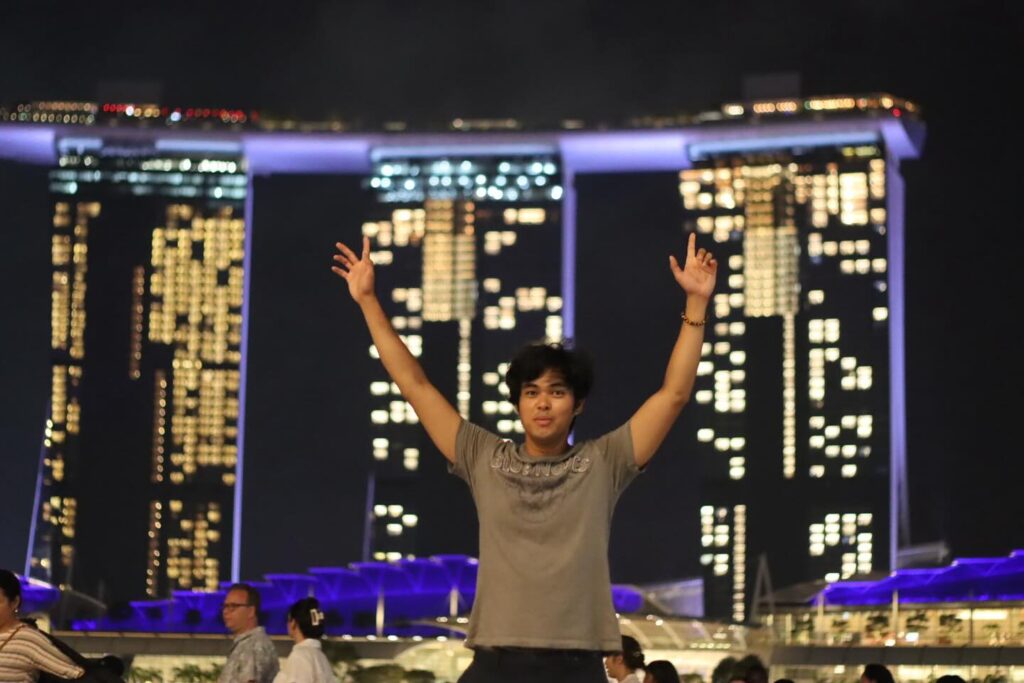
The 20 to 40 minutes after sunset are what photographers call blue hour. The sky turns deep blue, city lights switch on, and there is still enough ambient light to keep faces soft and natural. I like to start sessions here and move into full darkness as the city lights take over.
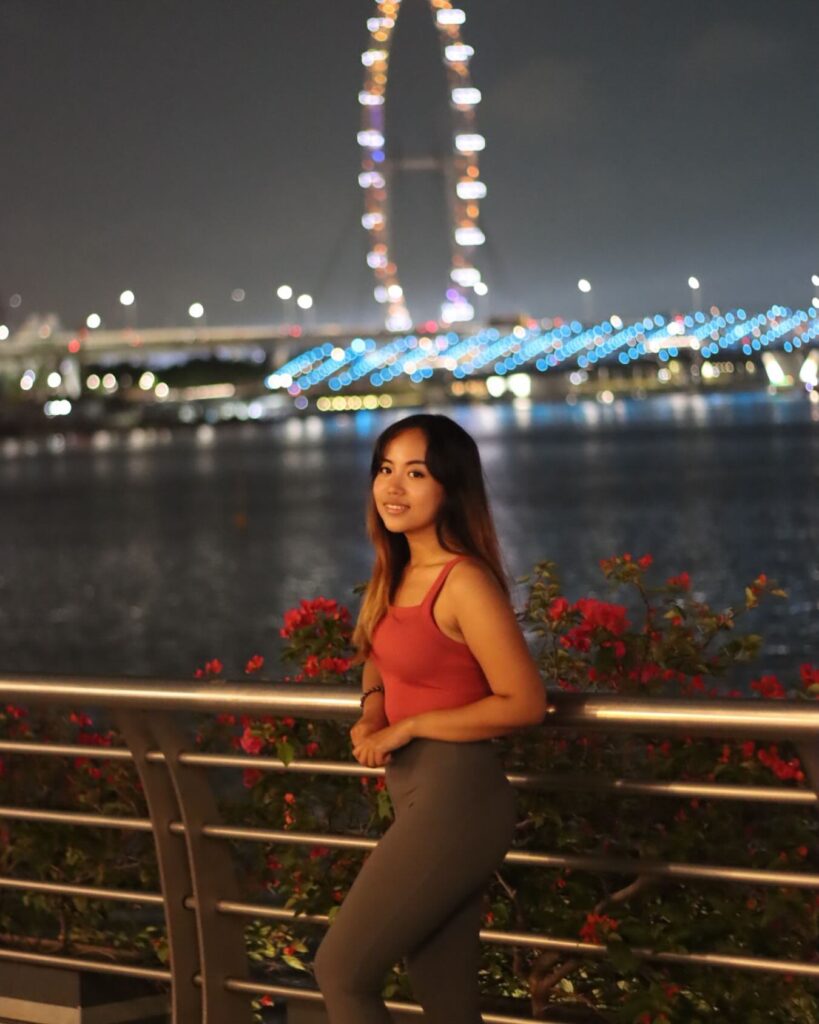
Waterfronts are ideal because the lights reflect on the water and double the glow.
Using the light that is already there
Many of my favourite night portraits use only the light already in the scene. A shop window works like a giant softbox, warm string lights give a gentle glow, and a street lamp can act as a dramatic spotlight. The job is to position you so that light falls nicely on your face rather than from directly above.
When the available light is not enough, a small portable light or reflector fills in shadows without killing the atmosphere.
Colour, festivals and markets
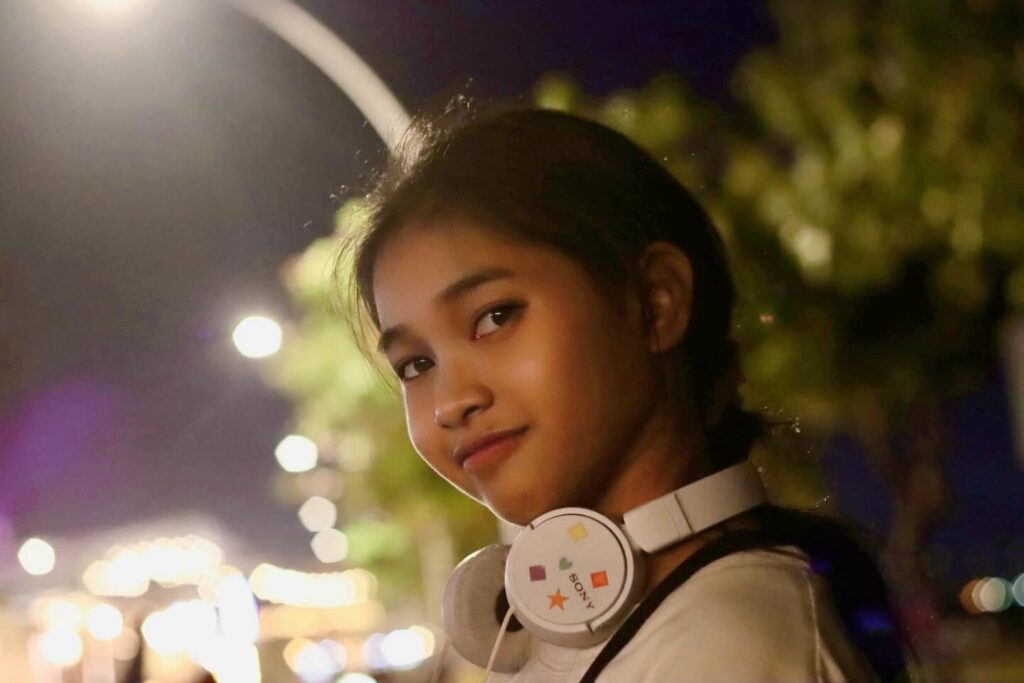
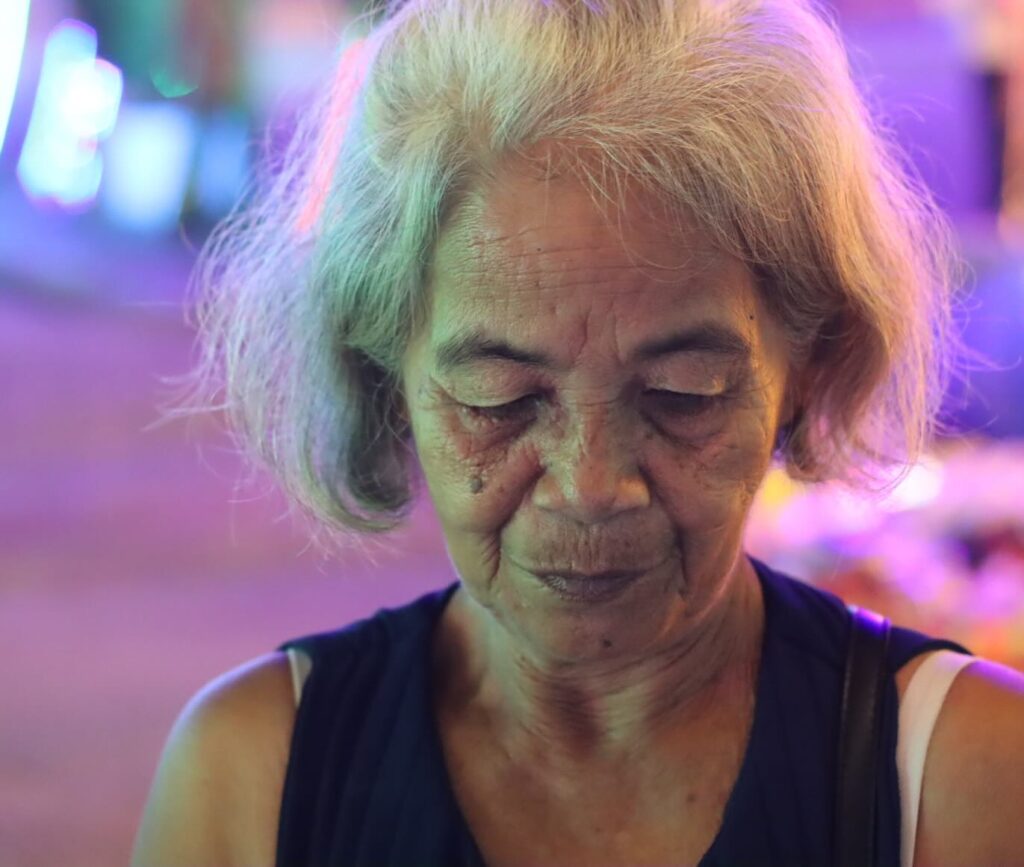
Night markets, festivals and light shows are full of colour. Coloured light on skin can be beautiful and fun, and it suits candid, documentary style portraits. Markets and laneways also give a natural reason to move, browse and interact, which helps people relax. You can see more of this style in my travel photography from Singapore and Cebu.
Tips for your evening photoshoot
- Wear darker tones or one bold colour so you stand out against the lights.
- Avoid very shiny makeup, which can reflect harsh highlights.
- Bring a warm layer, as evenings near the water get cool.
- Plan to move between two or three nearby spots rather than one big location.
- Allow time to settle in. Night sessions reward patience and stillness.
Looking for the right city spot? Darling Square and the harbour feature in my list of portrait locations in Sydney and NSW.
Frequently asked questions
What time should a night photoshoot start?
Start about 15 minutes before sunset so we can use blue hour, then continue into full darkness as the city lights come on.
Do night portraits need flash?
Not usually. Most of my night portraits use existing light such as shop windows, street lights and festoon lights. A small light may be used to fill shadows when needed.
What should I wear for a night portrait session?
Darker tones, rich jewel colours or one bold colour work well. Avoid very reflective fabrics and neon colours that can look harsh under artificial light.
Where are good places for night portraits in Sydney?
Darling Square, the harbour foreshore, The Rocks and busy city laneways all offer good lighting and interesting backgrounds after dark.
Book an evening session
City lights, harbour reflections or a night market glow: let us plan a night portrait session around the look you love.
Book a shootView the gallery