
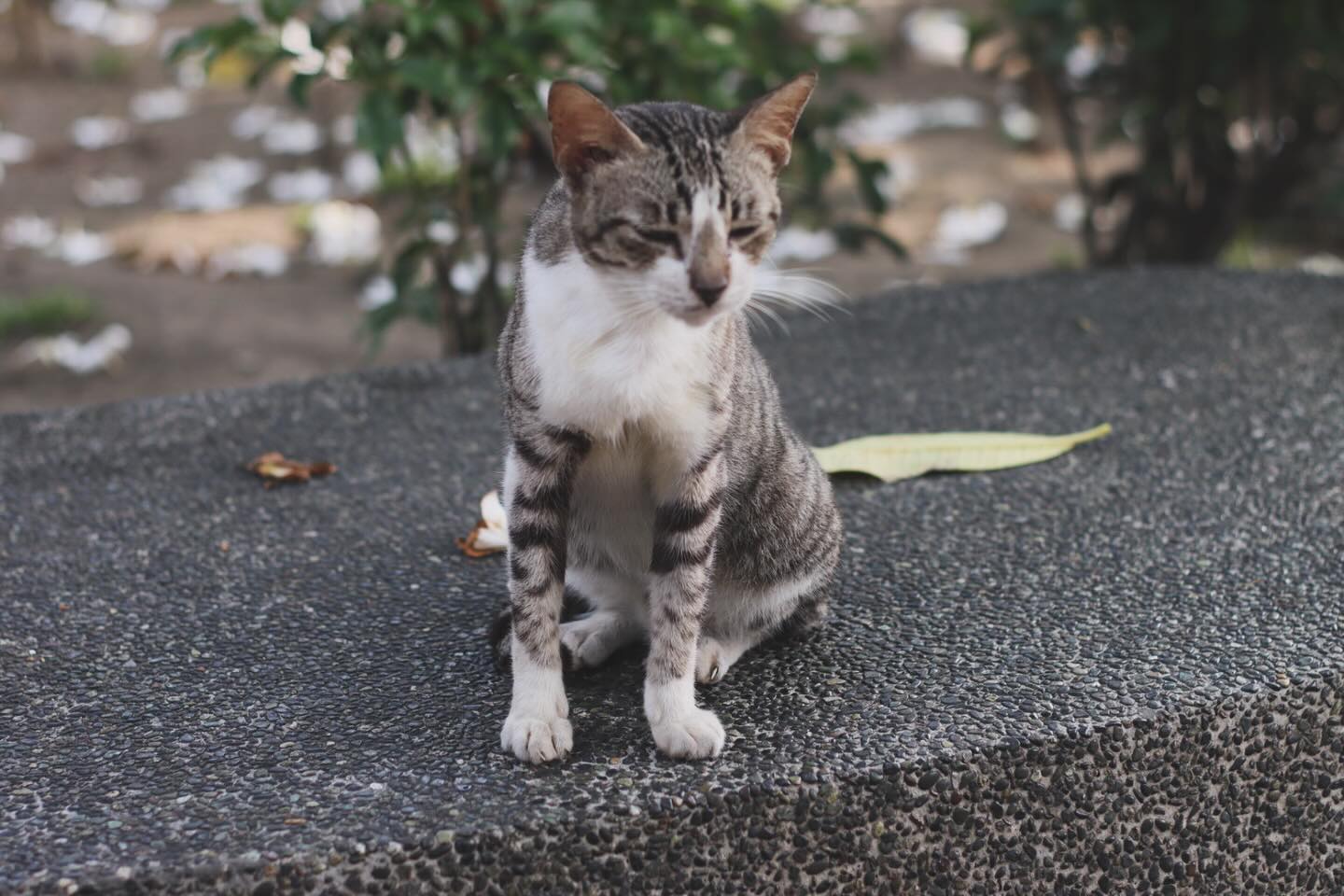
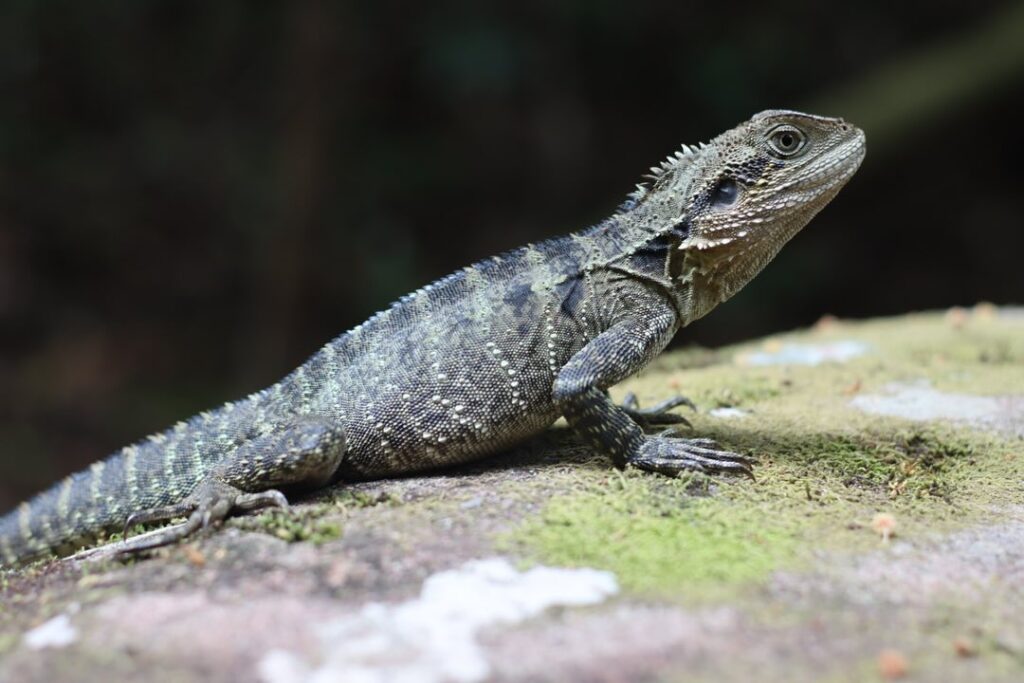
Pets are family, and great photos of them become treasured keepsakes. They are also wonderfully unpredictable subjects. Whether it is a bouncy golden retriever, an independent cat or a water dragon sunning itself on a rock, these pet photography tips will help you capture real personality rather than a blur of fur.
Key takeaways
- Get down to your pet’s eye level for more intimate, engaging photos.
- Always focus on the eyes.
- Use treats, toys and squeaky sounds to get attention, but keep sessions short and fun.
- Include people to show the bond between pets and their humans.
Get down to their level
Most pet photos are taken from standing height, looking down. Get down low, on your knees or even lying on the ground, and photograph from your pet’s eye level. It instantly makes the image more personal and shows the world from their point of view.
Patience with cats
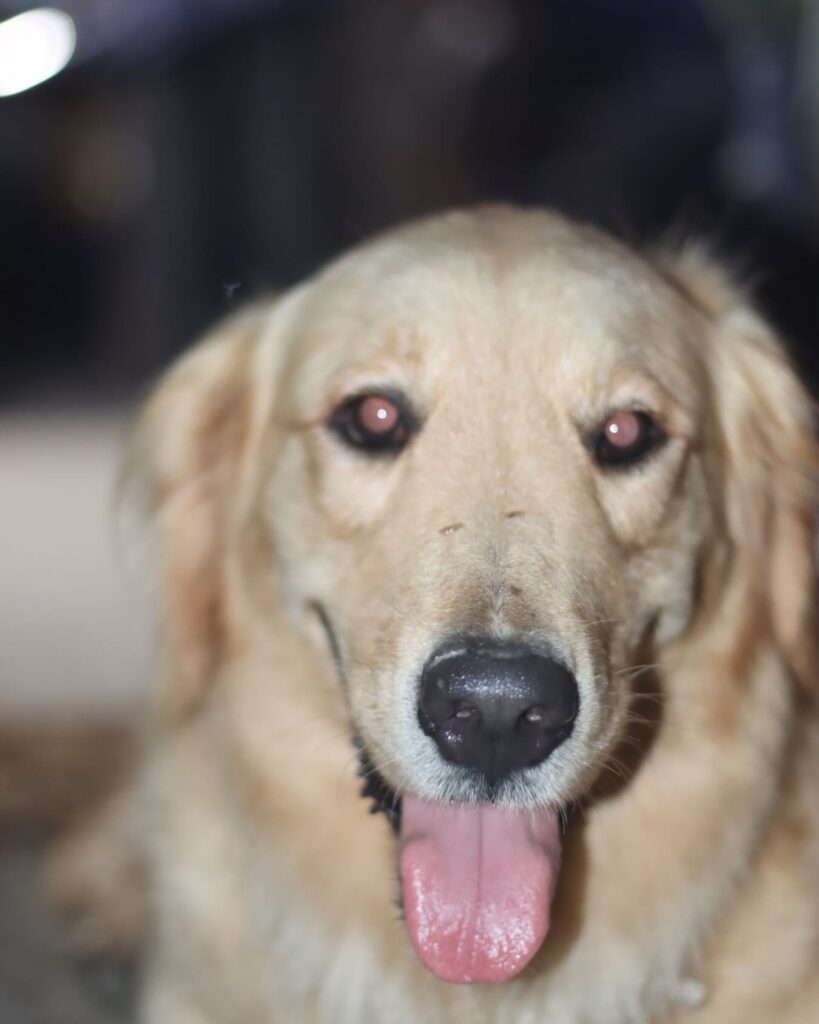
Cats do things on their own terms. Rather than chasing them, find a spot with nice light and let them come to you. Window sills, garden walls and ledges are favourite resting places. Wait for that moment when they settle, look up or stretch, and be ready.
Capture the bond
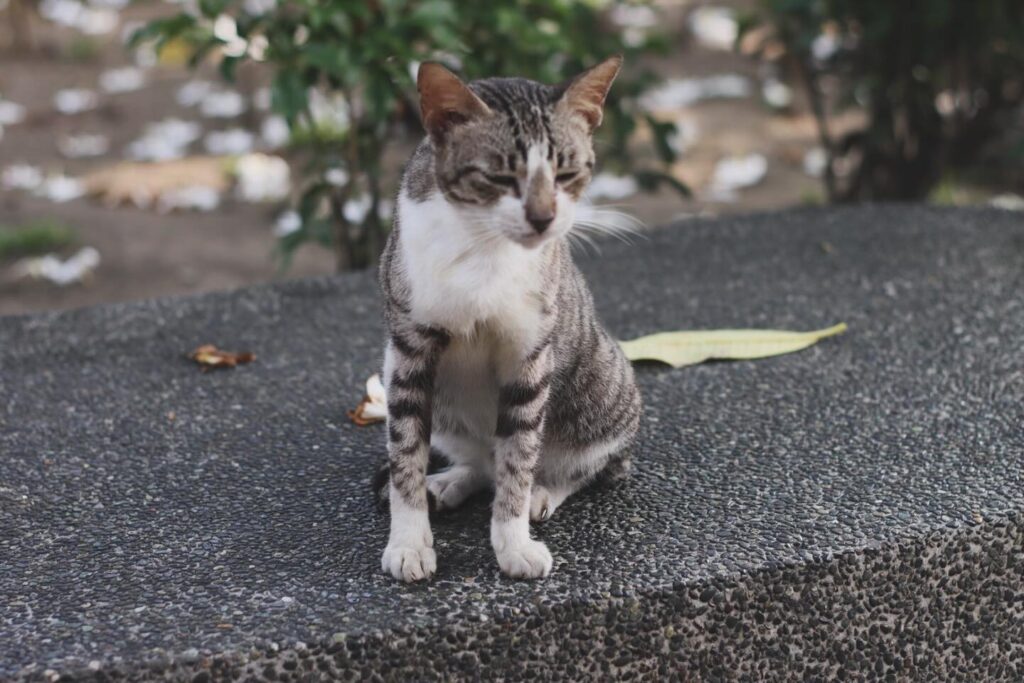
Some of my favourite pet portraits include their people. A hug, a shared walk or a game of fetch tells a story that a solo portrait cannot. These sessions feel relaxed because the attention is on the pet, which also helps camera shy owners. More on that in how to look natural in photos.
Wildlife close to home
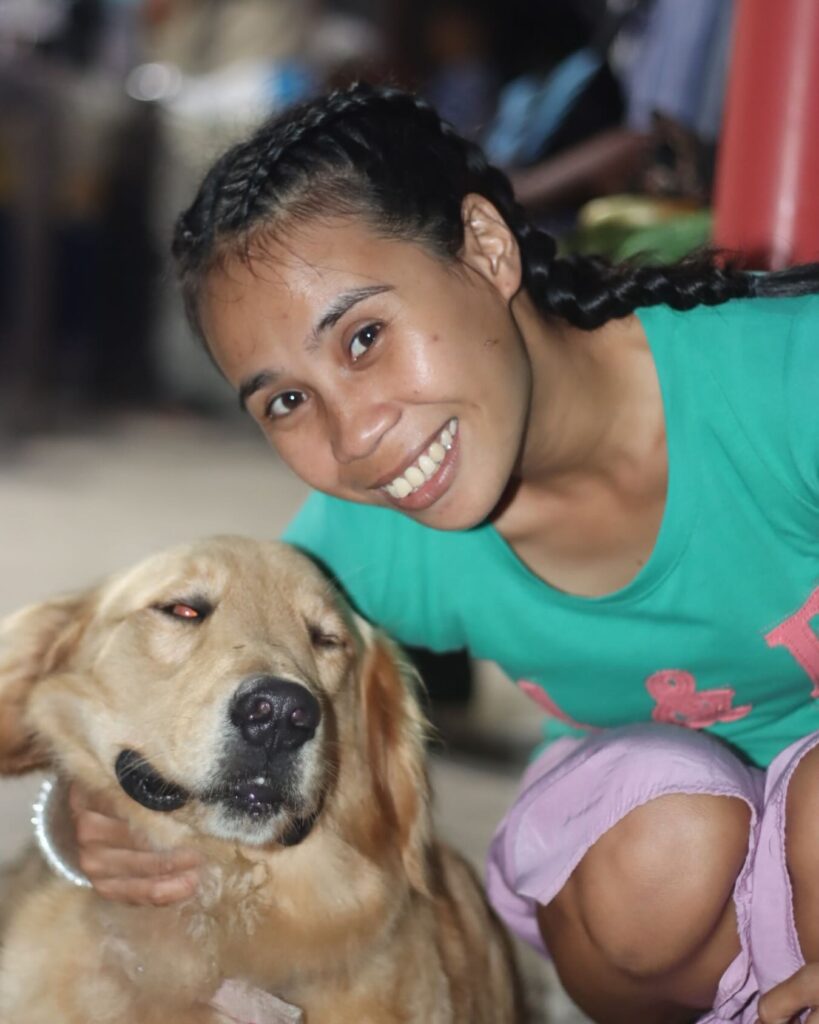
You do not need to travel far for wildlife. Water dragons, birds and other local animals are common around Sydney’s parks, harbours and creeks. Move slowly, keep your distance and let the animal stay relaxed. Never feed or disturb wildlife for a photo.
Pet photography checklist
- Bring treats, a favourite toy and something that squeaks.
- Exercise high energy dogs before the session so they are calmer.
- Choose soft light, such as open shade or late afternoon.
- Use a fast shutter speed for action shots.
- Keep it short and fun, with plenty of breaks.
- Bring a lead, water and poo bags for outdoor sessions.
The same patience and light techniques apply to flower photography. Browse more animal and nature photos in the gallery.
Frequently asked questions
How do I get my dog to look at the camera?
Hold a treat or toy just above the lens, or make a short unusual sound. Use it sparingly so your dog does not lose interest.
What is the best time of day for pet photos?
Late afternoon or open shade gives soft, flattering light. Avoid harsh midday sun, which causes squinting and strong shadows.
Can I include my pet in a portrait session?
Yes, pets are very welcome in portrait and family sessions. Let me know in advance so we can choose a pet friendly location.
How do you photograph black or white pets?
Use soft, even light and avoid harsh sun. Black fur needs light to show detail, while white fur can lose detail in bright sunlight.
Bring your best friend along
Pets are always welcome. Tell me about your dog, cat or other companion and we will plan a relaxed, fun session.
Book a shootView the gallery