
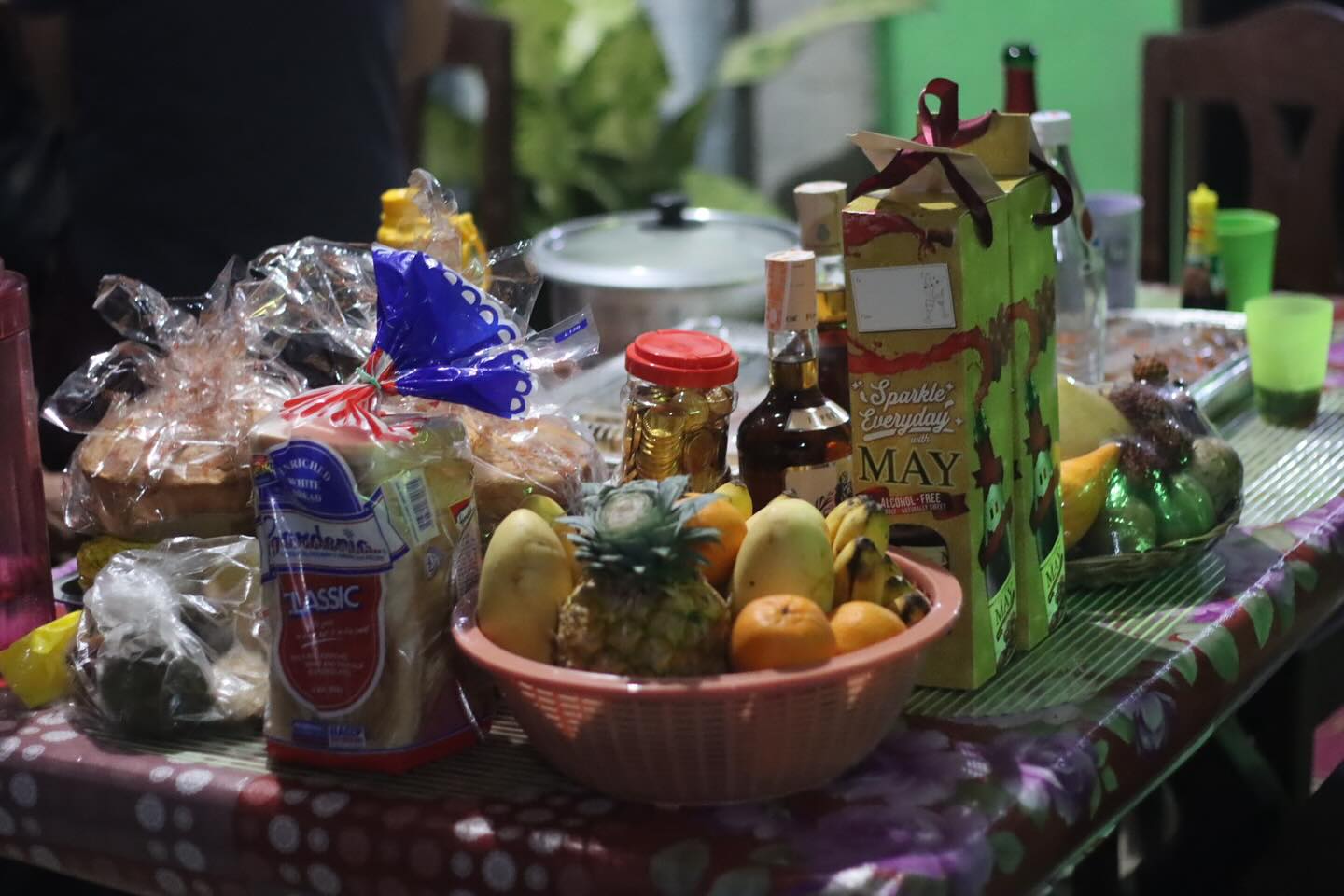
Great food photography makes people hungry. For cafés and restaurants, that means more bookings, more orders and stronger social media. The good news is that the fundamentals are simple: soft light, the right angle, thoughtful styling and speed. Here are the food photography tips I use when shooting for menus, websites and Instagram.
Key takeaways
- Soft side light from a window is the most flattering light for food.
- Choose the angle that suits the dish: overhead for flat lays, 45 degrees for burgers and drinks, eye level for tall desserts.
- Style with restraint: clean plates, a few props and fresh garnishes.
- Work quickly so ice cream, foam and herbs look their freshest.
Light is everything
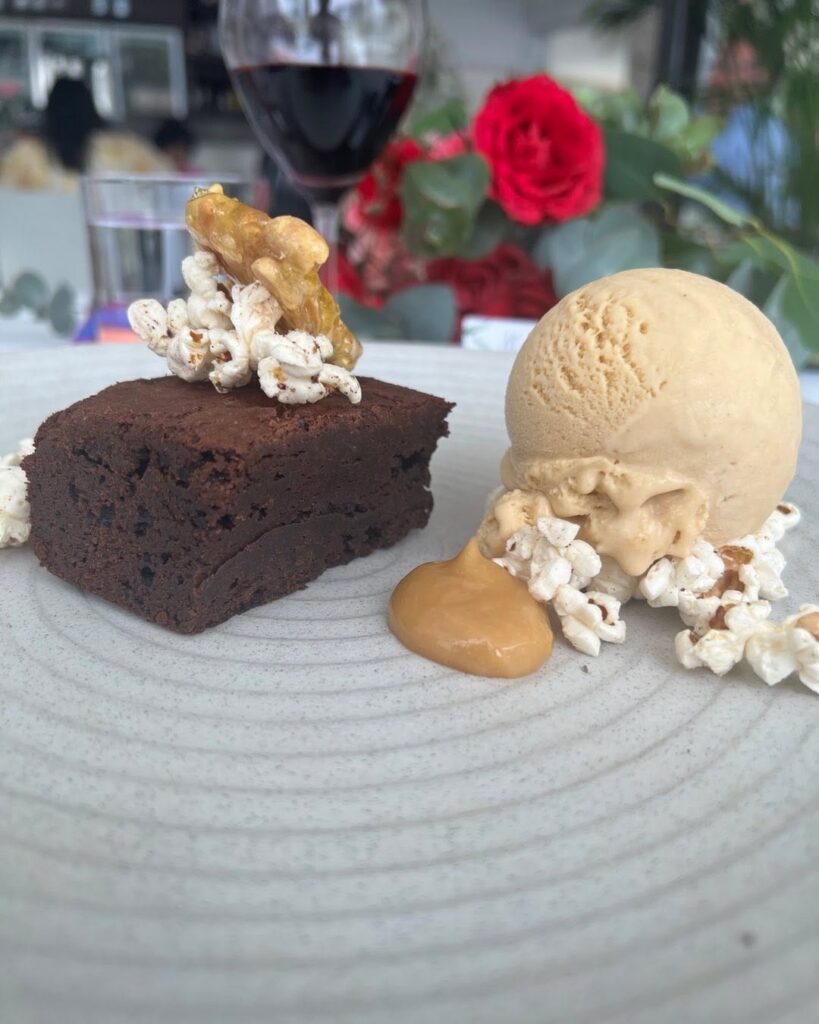
Food looks best in soft, directional light, ideally from a window to the side or slightly behind the dish. Side light reveals texture, such as the crumb of a brownie or the gloss of a sauce. Avoid overhead fluorescent lighting and on camera flash, which flatten food and create harsh reflections.
Pick the right angle for each dish
- Overhead: platters, pizzas, bowls and shared tables.
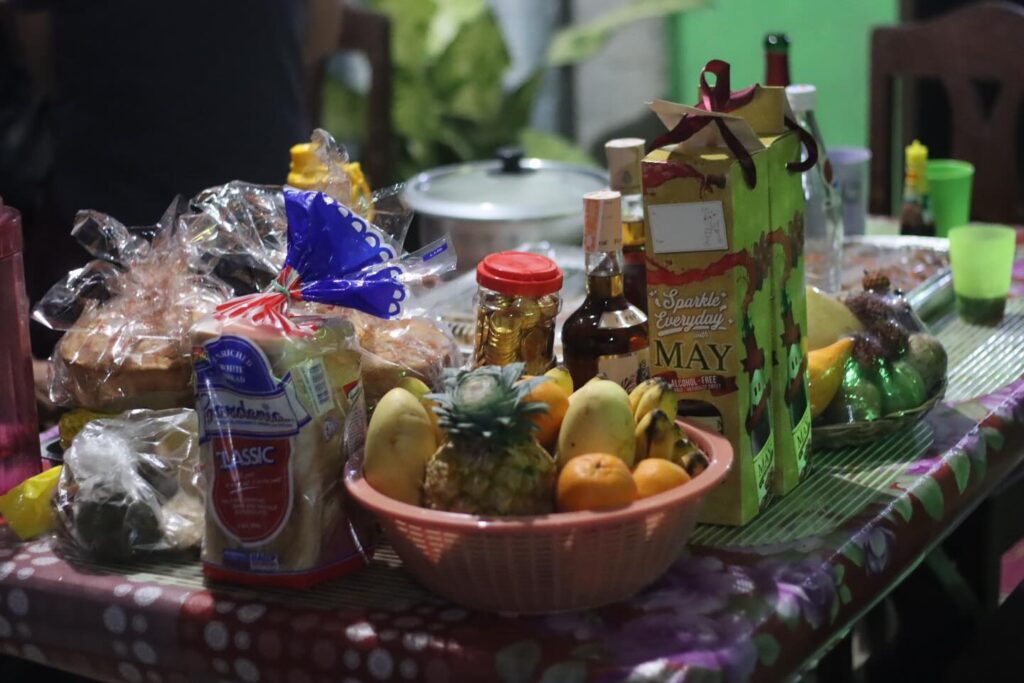
- 45 degrees: how diners see a plate; great for most mains and drinks.
- Eye level: burgers, layered cakes and tall drinks that show height.
I usually shoot each hero dish from two or three angles, giving the client options for menus, websites and social media.
Styling with restraint
The dish should be the hero. A clean plate, a textured napkin, a fork or a scatter of ingredients is usually enough. Wipe drips from the rim, add fresh herbs or berries at the last moment, and leave some negative space so the image breathes.
Speed and freshness
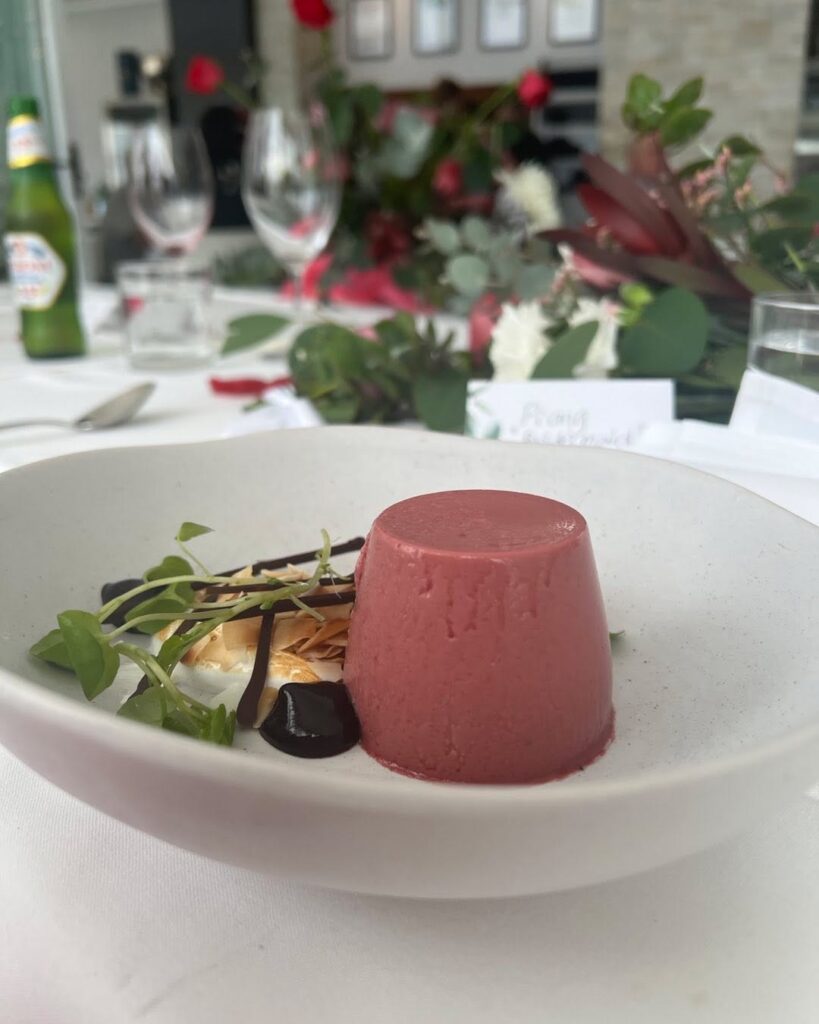
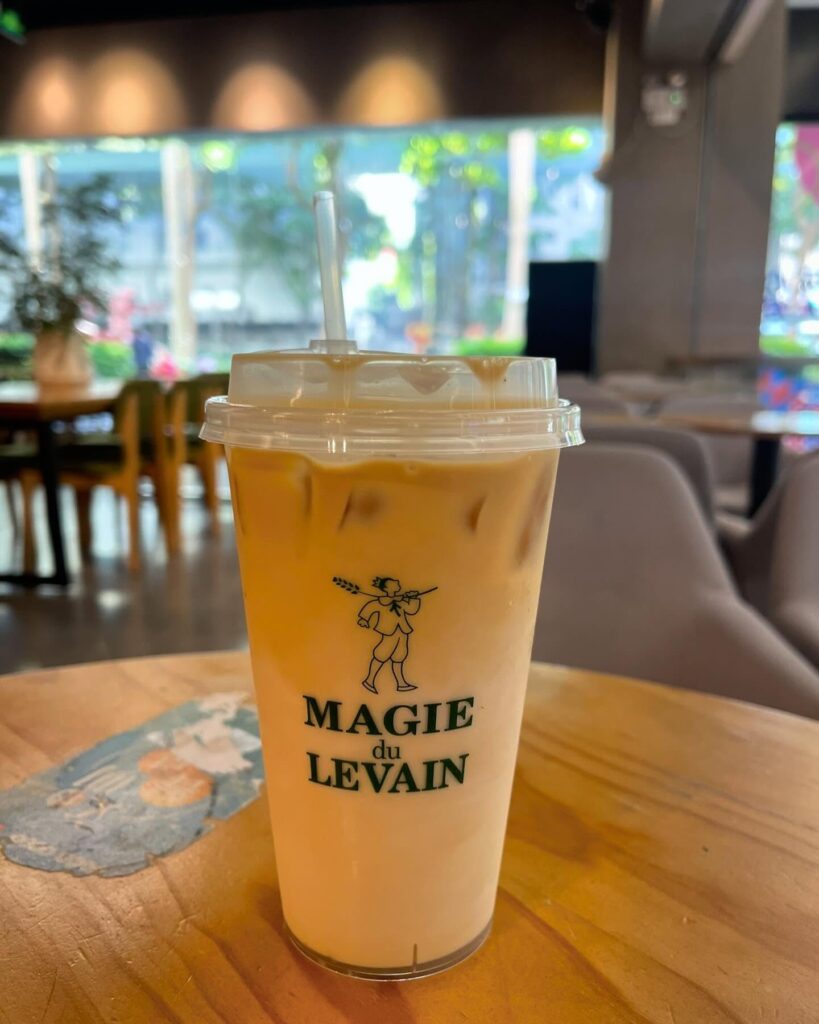
Food changes quickly. Ice cream melts, foam collapses and herbs wilt. I set up the light and composition with a stand in plate first, then bring the real dish out and shoot fast. For cold drinks, a little condensation on the glass instantly says refreshing.
Using your food photos well
- Keep a consistent style across your menu, website and Instagram.
- Include people, hands and table settings to show atmosphere, not just plates.
- Update photos seasonally when the menu changes.
- Add descriptive alt text so your images help with search visibility.
Food is also a big part of travel. You can see more of my food and travel work in the gallery and in my Singapore and Cebu travel notes.
Frequently asked questions
What is the best lighting for food photography?
Soft natural light from a window, coming from the side or slightly behind the dish. It shows texture and colour without harsh shadows.
What angle is best for food photos?
It depends on the dish. Overhead suits flat lays and platters, 45 degrees suits most plated meals and drinks, and eye level suits tall items like burgers and layered cakes.
How long does a restaurant photoshoot take?
Most café and restaurant shoots take two to four hours depending on how many dishes and atmosphere shots are needed.
Can food photos help my restaurant’s SEO?
Yes. Optimised images with descriptive file names and alt text help search engines understand your menu and can appear in image results.
Need fresh photos for your menu?
From cafés to fine dining, I photograph food and venues across Sydney. Tell me about your menu and I will plan a shoot that makes it shine.
Book a shootView the gallery